Adder bites in dogs - what UK walkers need to know
The facts, without the alarm
The adder (Vipera berus) is the UK’s only venomous snake. It is also a shy, legally protected animal that would far rather slip away into the undergrowth than bite your dog. Most encounters end uneventfully, with the adder moving off and both animals getting on with their day.
Bites do happen. The Veterinary Poisons Information Service records around 100 dog bites from adders each year in the UK. The majority of bitten dogs make a full recovery with prompt veterinary treatment. Knowing what adder habitat looks like, recognising the signs of a bite, and understanding what to do if one occurs are the things that genuinely protect your dog.
Where adders live, and when the risk is highest
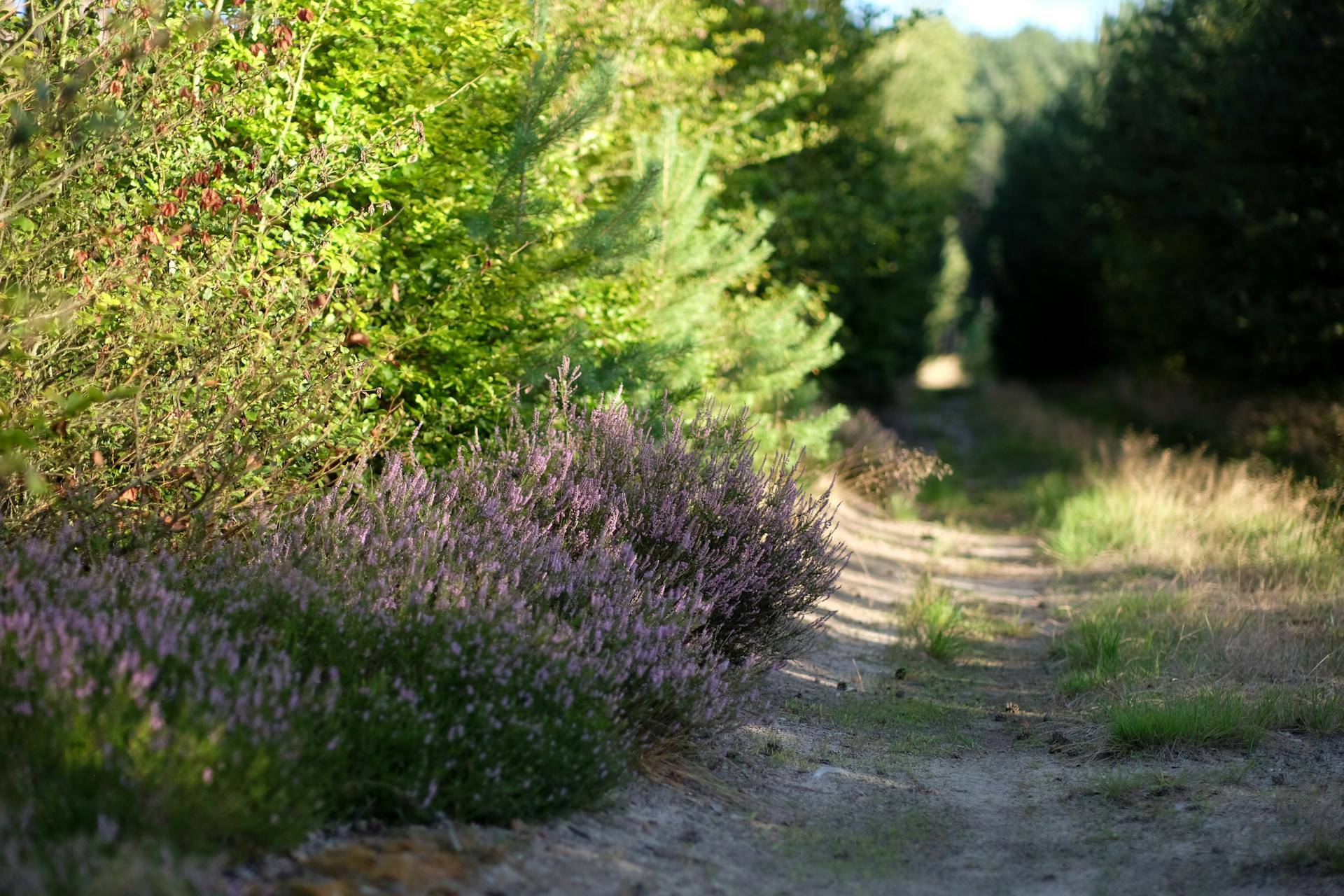
Adders are found throughout mainland Britain - England, Scotland, and Wales - but are absent from Northern Ireland, the Isle of Man, and the Channel Islands. They favour a specific kind of landscape: open, sunny ground close to dense cover. Lowland heathland, upland moorland, chalk downland, coastal dunes, woodland rides, and south-facing bracken slopes are all classic adder habitat. They particularly like habitat edges - the transition between open ground and dense vegetation, a sunny dry stone wall, the margin of a woodland clearing, the sheltered side of a gorse thicket.
Key UK strongholds include Surrey and Hampshire - Surrey has the second largest adder habitat by area in the UK after Devon - along with the New Forest, Dartmoor, the Peak District Eastern Moors, Yorkshire moorland, the Scottish Highlands, and parts of West Wales. (Surrey Wildlife Trust, ARC Trust)
Adders emerge from hibernation from late March in southern England and are active through to October. The highest-risk window for dog bites is April through July - a VPIS retrospective study found that 69.2% of recorded bites fell within this period. (Reid et al. 2011, VPIS) Spring is particularly hazardous because adders are still sluggish after hibernation and cannot escape quickly, and because their venom is at its most potent at this time of year. VPIS data also shows that bites cluster most commonly between 3pm and 4pm - the warmest part of a spring or summer afternoon, when adders are most actively basking.
How dogs get bitten
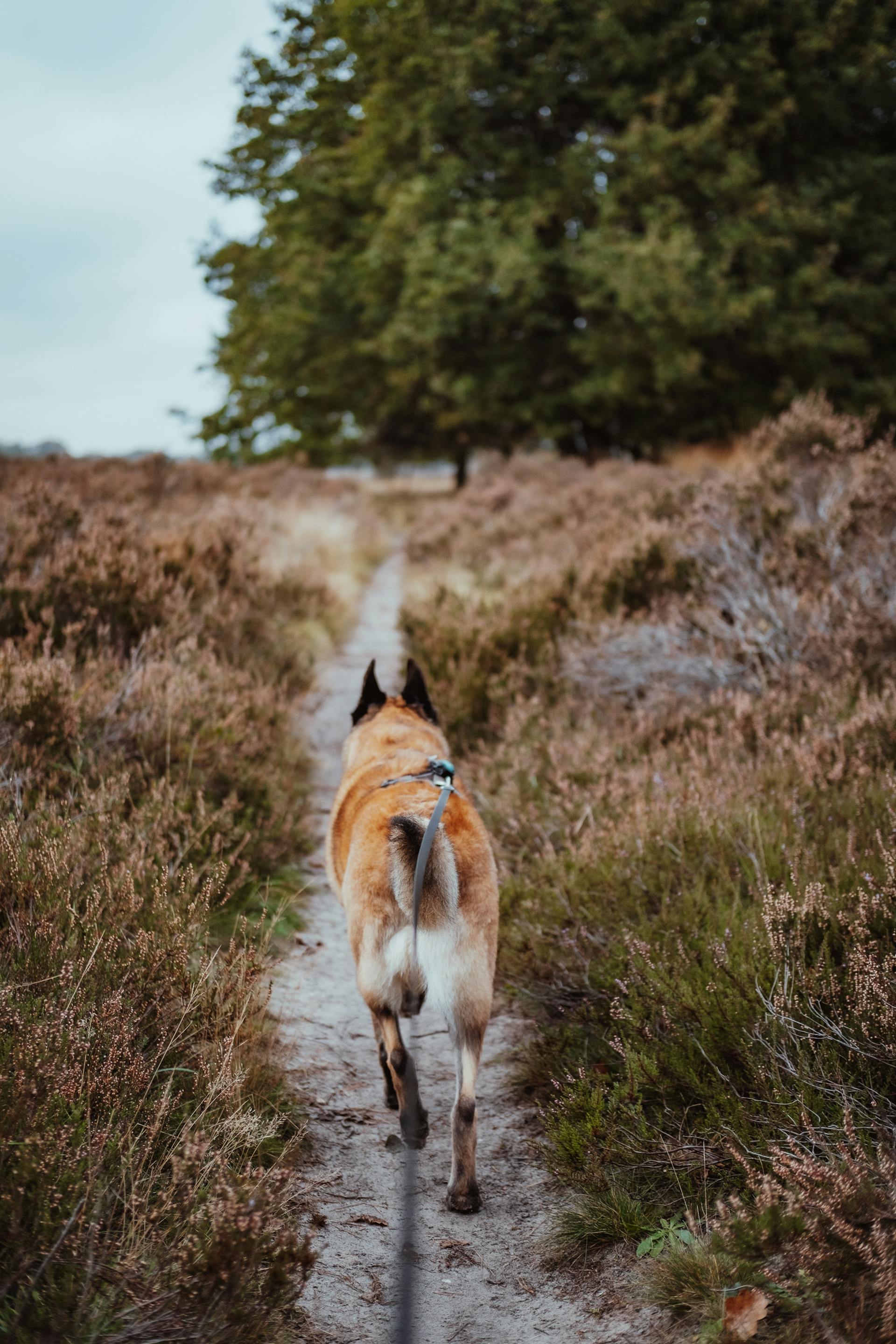
Dogs are almost always bitten out of curiosity. An adder is basking on a warm bank, among heather, or under a log, and the dog pushes its nose in to investigate before the snake has time to move away. Off-lead dogs in heathland are at the highest risk for exactly this reason. Dogs with a strong prey drive or scenting instinct are particularly likely to investigate closely rather than moving on.
The most common bite sites are the face and nose, followed by the legs and paws. Facial and neck bites are more serious than limb bites because of proximity to the airway and major blood vessels. Smaller dogs face greater risk of severe reactions than larger breeds - in a smaller body, venom reaches a higher concentration in the bloodstream more quickly. Brachycephalic breeds and older dogs are also more vulnerable to severe responses. (Vets Now, PDSA)
Signs and symptoms
Symptoms typically appear within two hours of a bite. You may not have seen the bite itself, so knowing what to look for matters.
- A painful, rapidly developing dark swelling at the bite site, usually with two visible puncture wounds
- Pale or white gums
- Vomiting
- Lethargy and reluctance to move
- Excessive drooling or salivating
- In more severe cases: tremors, collapse, or difficulty breathing
Swelling can spread considerably from the bite site. A bite to the face may cause visible swelling of the nose, muzzle, and neck within minutes. Most dogs who receive prompt treatment recover fully - VPIS data puts average recovery time at around five days with appropriate veterinary care.
What to do if your dog is bitten
1. Keep your dog as calm and still as possible, and carry them if you can. Movement speeds the spread of venom through the body. Minimise walking. If the bite is to a limb, keep that limb lower than the heart where possible.
2. Call your vet immediately and tell them you are coming. This is a veterinary emergency. Calling ahead lets the practice prepare.
3. Note the time of the bite if you know it. This helps the vet assess where the dog is in the venom response.
4. Do not apply a tourniquet, ice, or attempt to suck out the venom. These measures cause harm and are not effective.
5. Do not give human antihistamines. Adder venom is cytotoxic and haemotoxic, not primarily histamine-driven. Antihistamines do not address the venom mechanism and can sedate the dog, making it harder for your vet to assess their condition accurately. (Scottish SPCA, Vets Now)
6. If you are not certain the snake was an adder, treat the situation as an adder bite and seek veterinary care anyway. Both grass snakes and smooth snakes are harmless, but in any genuine uncertainty the correct response is to go to the vet.
7. If you can photograph the snake safely, do so. A photo helps the vet confirm identification. Do not approach, handle, or attempt to catch the snake - adders will bite again if threatened, and even a dead adder can bite by reflex. A photo taken from a distance is the only safe approach.
Antivenom is used in around 56% of adder bite cases and roughly halves the duration of swelling - from an average of 94 hours down to around 47 hours. There is no licensed veterinary antivenom in the UK; vets source the human product via a Special Treatment Certificate from the Veterinary Medicines Directorate. Not every practice stocks it. If yours cannot source it quickly, the VPIS ToxBox service can direct you to the nearest stocking practice - call 020 7305 5055. (VPIS, VMD)
Prevention on walks
Good habits reduce risk substantially in adder habitat.
- Keep your dog on a lead through heathland, moorland, and bracken during April through July - particularly on warm, sunny afternoons
- Stick to clear, well-walked paths rather than pushing through long grass, deep heather, or dense bracken
- Be especially alert near south-facing banks, dry stone walls, log piles, and sunny clearings - these are prime basking spots
- Morning walks carry lower risk than afternoon walks in peak season, as adders are less active before they have fully warmed up
- The single most effective prevention is a reliable recall - a dog you can call back from investigating something before they disturb a basking adder is a dog at significantly lower risk
Sniffout walks in adder habitat
Several of the walks in Sniffout’s collection pass through terrain where adders are present. These are also some of the finest walking landscapes in the UK - the open heathland and warm moorland that adders favour is genuinely beautiful country. The walks below just call for a little extra care during the spring and summer months.
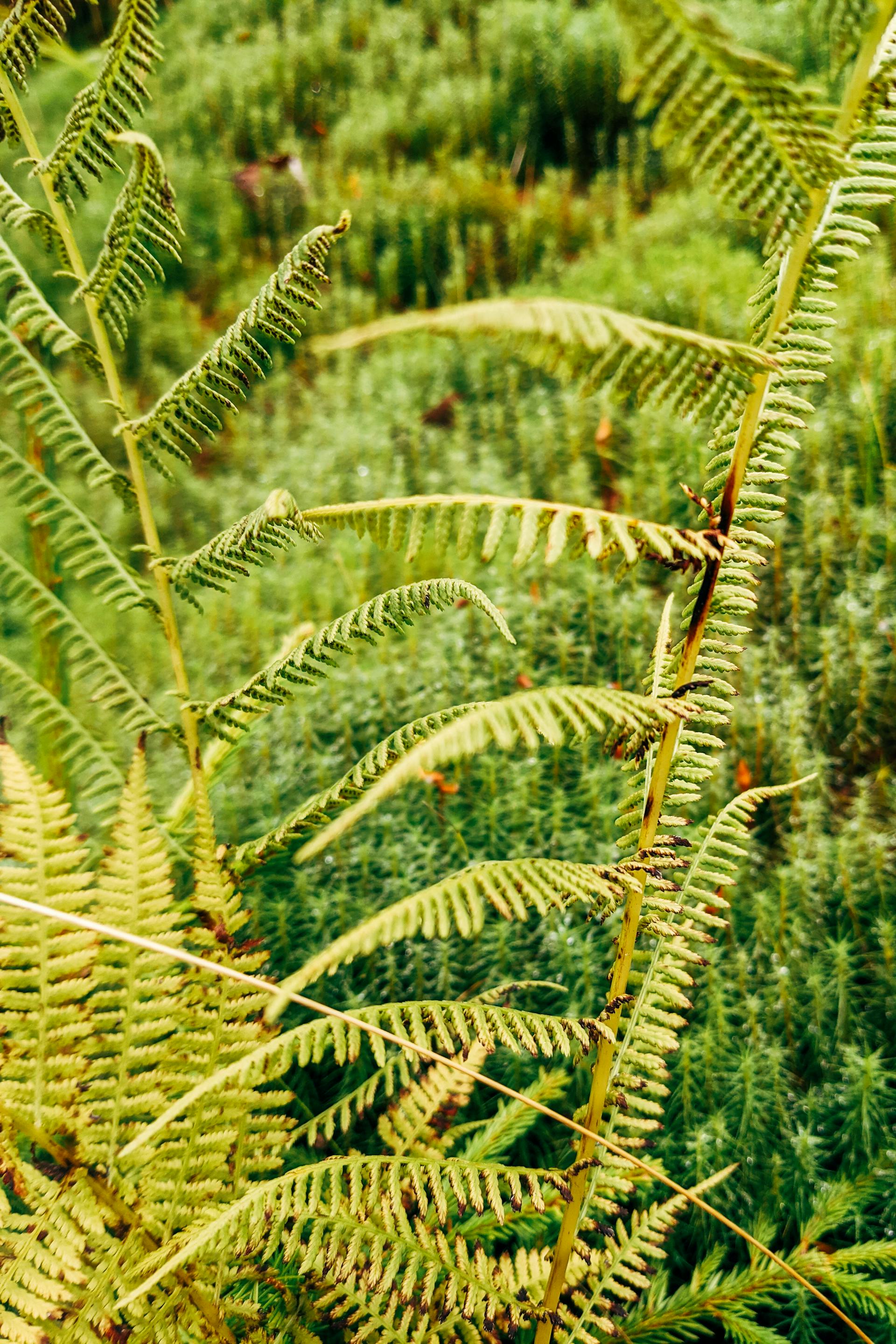
Keep dogs on a lead through heath and moorland sections - Hindhead Common, Frensham Great Pond, Haytor and Hound Tor on Dartmoor, and the Burley Village walk in the New Forest all pass through prime adder habitat. Hindhead is one of a small number of Surrey sites where all six of the UK’s native reptile species have been recorded. Frensham Great Pond and Little Pond are confirmed adder sites and are among the most important heathland reptile habitats in Surrey. (Surrey Wildlife Trust)
Worth being aware during April-July - Leith Hill, Box Hill, and Stanage Edge all include heathland edges, chalk downland, or open moorland sections. Lead use through off-path areas is sensible in season.
Worth being aware during April-July (coastal and northern) - Seven Sisters Country Park in East Sussex includes chalk grassland and scrub edges that can provide suitable basking habitat. Adders are present on the South Downs more broadly, though sightings at Seven Sisters specifically are infrequent. Keep dogs on leads through scrubby, south-facing ground away from the main clifftop path. Grasmere and the surrounding Lakeland fells are adder country - the Lake District has a healthy adder population and fell paths cross suitable habitat regularly. Lead use through bracken and heather on warm afternoons is sensible.
Lower risk - Richmond Park, Wimbledon Common, Hampstead Heath, and Malham Cove are all at low risk. Urban and suburban parkland is rarely adder territory, and Malham’s limestone grassland is not typical adder ground.
Most dogs recover fully
An adder bite is serious and deserves prompt attention, but it is not a reason to avoid the most beautiful parts of the UK. Around 100 bites are recorded across the whole country each year, and the great majority of dogs who receive veterinary care make a complete recovery.
Knowing the habitat, keeping dogs on leads through heathland and bracken in spring and early summer, and having your vet’s number saved in your phone is all the preparation you need. The adder is a shy, declining species - protected by law under the Wildlife and Countryside Act 1981 - doing its best to survive in an increasingly fragmented landscape. A little awareness on a walk tends to mean neither dog nor snake comes to any harm.
If you are concerned about your dog after a walk, contact your vet or the nearest emergency veterinary clinic.
Sources: PDSA, Vets Now, Scottish SPCA, Medivet, VPIS retrospective study (Reid et al. 2011), ARC Trust, Froglife, Surrey Wildlife Trust, New Forest National Park Authority, Dartmoor National Park Authority, ARGUK, Wildlife Trusts, Animal PoisonLine