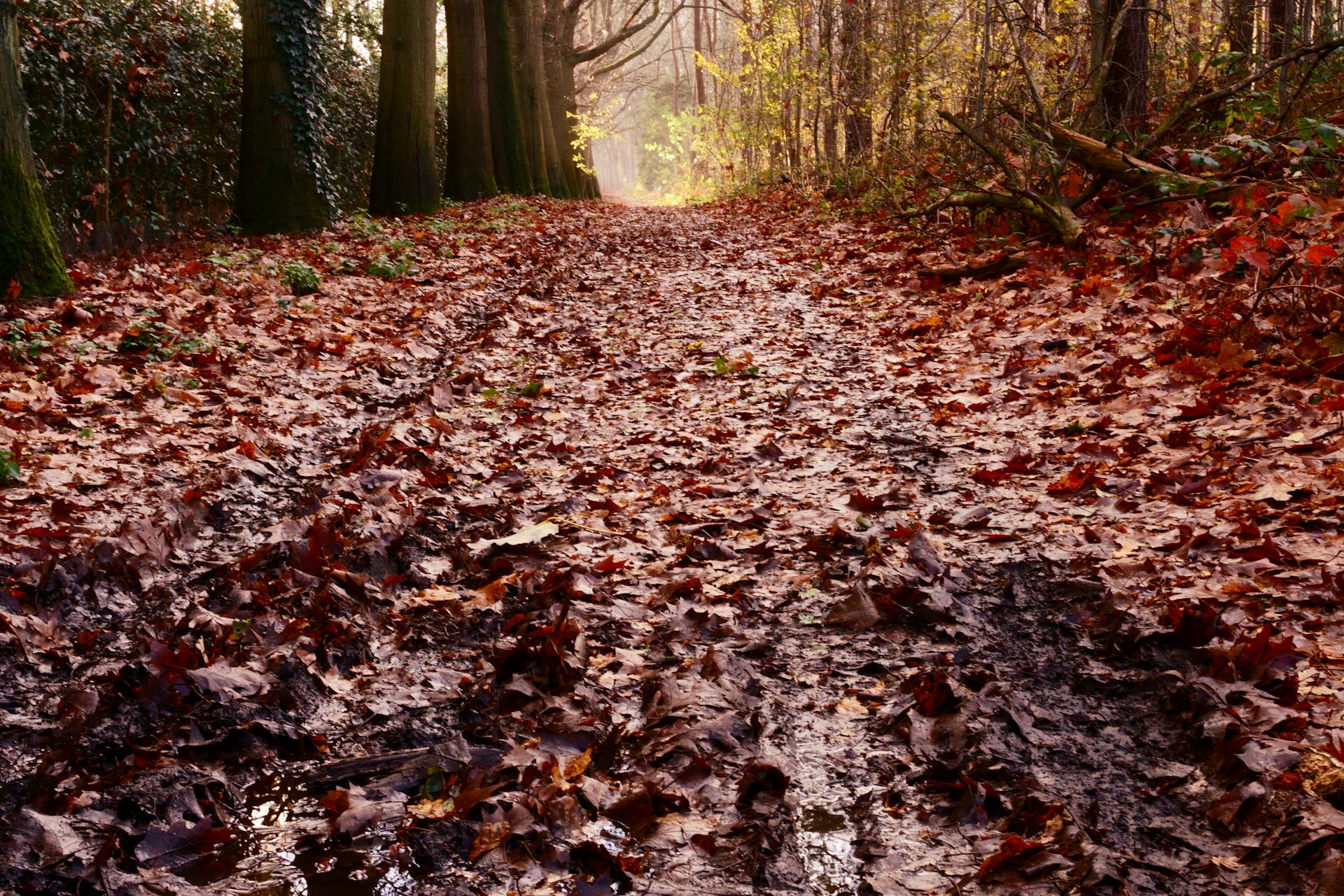
Millions of dogs are walked in UK woodlands every year, including through the muddy paths and wet ground that dominate the countryside from November through to spring. Alabama rot is real, it can be serious, and it is also genuinely rare: roughly 10 to 50 confirmed cases are recorded across the whole of the UK each year. It is worth knowing what to look for. It should not stop you walking your dog in the woods.
What is Alabama rot?
The full name is Cutaneous and Renal Glomerular Vasculopathy, or CRGV. The common name comes from a disease identified in racing greyhounds in the US state of Alabama in the 1980s. The UK disease is understood to be the same condition, though UK cases affect dogs of all breeds rather than greyhounds specifically.
The first UK cases were identified around 2012, with the earliest confirmed cluster in and around the New Forest in Hampshire. For this reason it is sometimes called New Forest disease in older press coverage. Cases have since been confirmed across most of the country.
The disease causes tiny blood clots to form in small blood vessels, which can damage the skin and, in more serious cases, the kidneys. It is this two-stage progression that makes it important to act quickly when a suspicious lesion appears.
What causes Alabama rot?
The honest answer is that nobody knows. Despite more than a decade of sustained research led by Anderson Moores Veterinary Specialists in Winchester and the Alabama Rot Research Fund (ARRF), the cause has not been identified. As the Royal Veterinary College’s FAQ states: “It is not yet known what causes the disease or why some dogs suffer more than others.”
Research has ruled out several possibilities. Alabama rot does not spread from dog to dog. No human cases have been recorded, including among owners of affected dogs. Water supply contamination has been investigated and excluded. It is also a completely separate condition from Seasonal Canine Illness.
An environmental trigger, possibly something in wet or muddy woodland soil, is considered possible by Anderson Moores and ARRF. But this has not been confirmed by testing. Various hypotheses have been investigated over the years without identifying the cause.
How common is it?
Since the first UK cases were recorded in late 2012, approximately 334 confirmed cases have been recorded across the country. Annual figures vary considerably. Some years have seen over 50 confirmed cases; others fewer than 10. The RSPCA describes the overall risk to individual dogs as very low.
Cases have been recorded across 47 of the UK’s counties. The South West of England has historically had the highest proportion of cases relative to the dog population, with Devon and Cornwall accounting for a significant share. Hampshire, in the South East, has also recorded a high number of cases historically - including the earliest confirmed UK cluster. Cases have also been confirmed in Wales, Scotland, and across the Midlands and North of England. No region can be described as definitively safe, and no region needs to be described as definitively dangerous. ARRF does not recommend avoiding specific areas.
A live map of confirmed cases is maintained at arrf.co.uk, where you can check case history by location and year.
Is there a season or pattern?
Most cases occur between November and May. The summer months of July and August see very few confirmed cases. This is an established seasonal pattern, confirmed by multiple sources including the RVC.
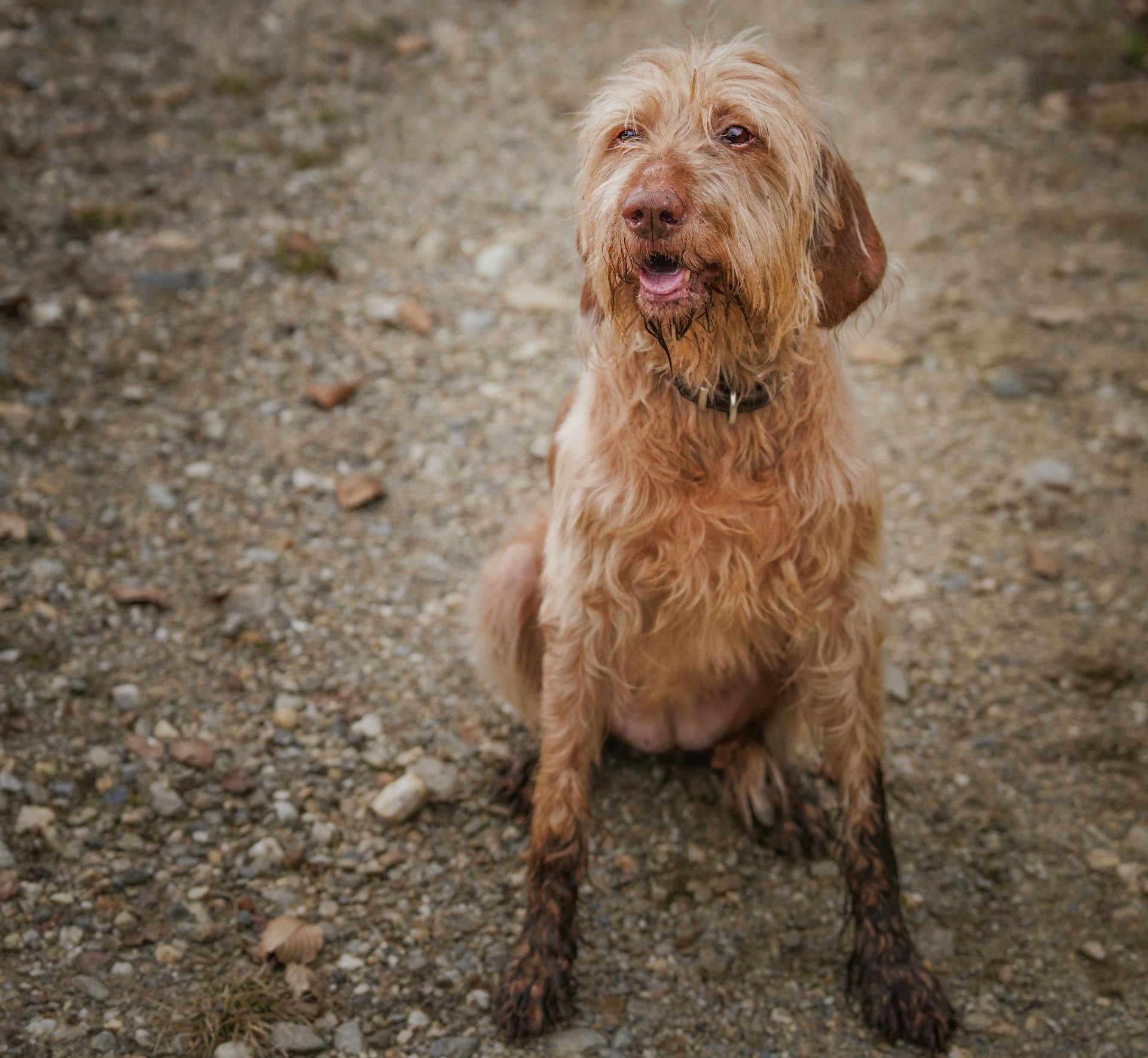
Most recorded cases have also been associated with muddy woodland walks, particularly during wet conditions. The connection is documented and widely noted. It is not, however, a confirmed causal link. Walking in woodland in winter and spring does not cause Alabama rot. The trigger, if it is environmental, has not been identified. The pattern is worth being aware of without being a reason to change where you walk.
What are the signs?
Alabama rot typically progresses in two stages.
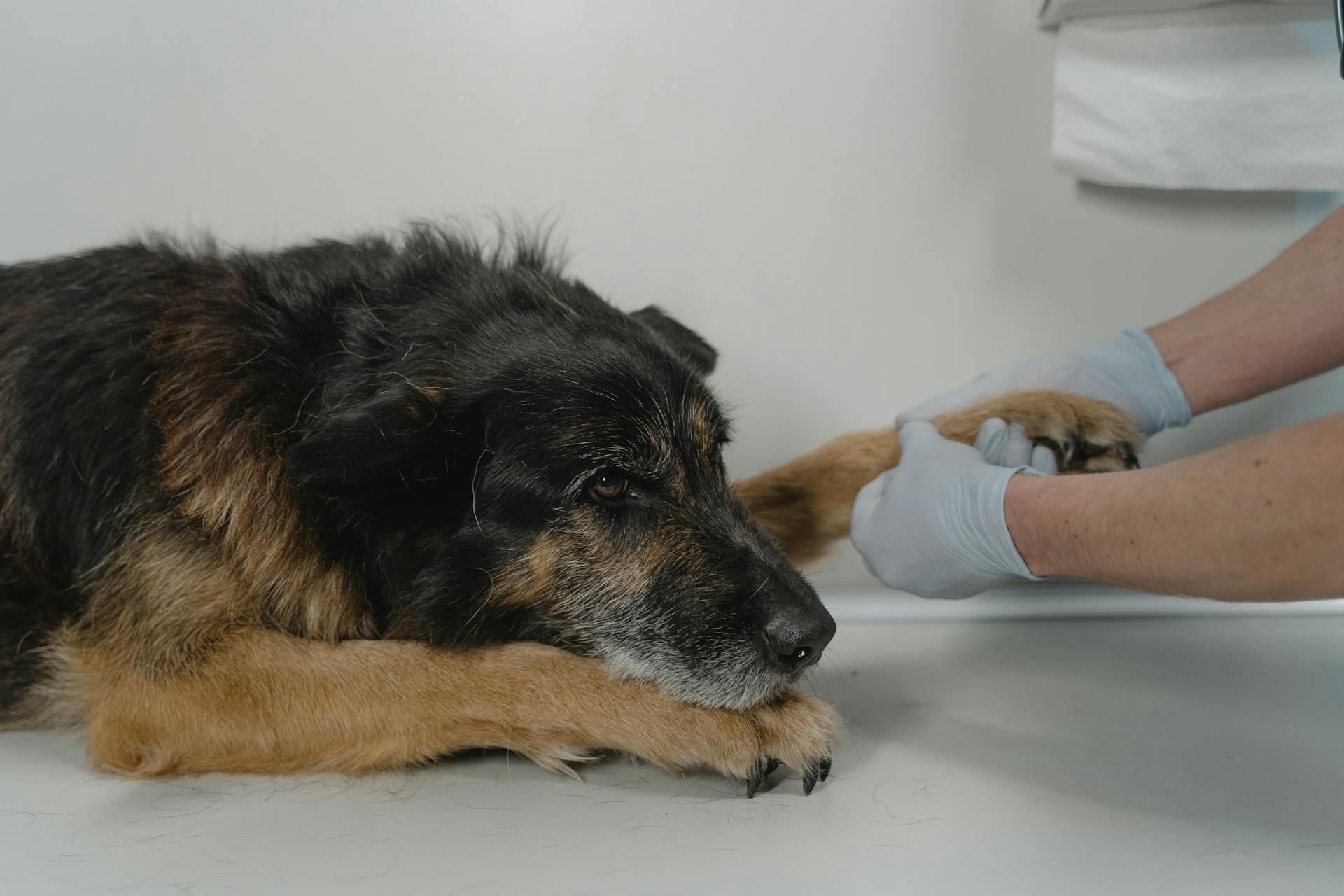
Stage one: skin lesions. The first sign in all confirmed cases is an unexplained skin lesion, most commonly on the lower legs, below the knee or elbow. Lesions can also appear on the paws, pads, between the toes, and less commonly on the muzzle, tongue, flank, face, or belly. They tend to look like a sore, a small ulcer, a red patch, or a circular area of missing fur. The key characteristic is that they are not explained by a known injury. Dogs often lick the affected area.
Most unexplained skin lesions are not Alabama rot. Cuts, insect bites, contact reactions, and other conditions are far more common causes of lower-leg sores. But a vet is the right person to make that assessment, not you, and not time.
Stage two: kidney involvement. A proportion of dogs with CRGV skin lesions go on to develop kidney failure. This typically occurs within one to nine days of the skin lesion first appearing. Signs of kidney involvement include lethargy, decreased appetite, vomiting, increased thirst, and reduced urination. Kidney failure requires urgent veterinary treatment.
Dogs that develop only skin lesions, without kidney involvement, have a better outlook. The prognosis becomes more serious if kidney failure develops. RVC data indicates that around 80-85% of dogs that develop kidney failure do not survive. Overall, approximately 30% of confirmed CRGV cases survive.
What should you do if you notice a suspicious lesion?
Contact your vet immediately. Do not wait to see whether the lesion heals or worsens. Early veterinary assessment is the right response to any unexplained skin sore on the lower leg, particularly between November and May and following a muddy woodland walk.
When you call, tell the vet where you have been walking recently. The vet will assess the wound, may treat it, and is likely to monitor kidney function with blood and urine tests. A diagnosis of CRGV during the dog’s lifetime is based on clinical presentation. Definitive confirmation requires post-mortem tissue analysis.
Biscuit and Mango both come home from woodland walks with scrapes and sores from time to time. Most turn out to be nothing. The point is not to check every walk with dread but to act promptly when something does not look right.
Can Alabama rot be treated?
There is no specific treatment for the underlying condition because the cause remains unknown. Treatment is supportive: wound care for skin lesions, aggressive fluid therapy for kidney support, and close monitoring of kidney function. At the RVC Queen Mother Hospital, Therapeutic Plasma Exchange is available for severely affected dogs, and has been associated with some survivals in cases that might otherwise have been fatal. This is a specialist treatment not available at most practices.
The earlier treatment begins, the better. If kidney involvement has not yet occurred, the outlook is considerably more manageable.
Should you stop walking in woodland?
No. The risk is very low, the cause is unknown, and there is no evidence that avoiding woodland removes whatever the trigger might be. ARRF does not recommend avoiding specific locations. Woodland walks remain one of the best things you can do for a dog’s physical and mental health across every season.
The sensible response to Alabama rot is awareness rather than avoidance. Know what a suspicious skin lesion looks like. Check [dog name] after muddy woodland walks, particularly in winter and spring. Wash mud from [dog name]’s legs and paws when you get home - not because this is proven to prevent the disease, but because it is a sensible habit and makes checking the skin easier.
Keeping it in proportion
Alabama rot is a genuine condition that Anderson Moores, ARRF, and the RVC continue to research seriously. For dog owners, the most useful response is to know what to look for and to act promptly if you see it. Roughly 334 cases across 13 years, across millions of woodland walks. The numbers do not justify anxiety. They do justify knowing what an unexplained lower-leg lesion looks like, and what to do about it.
Keep walking. Keep checking. Call the vet when something does not look right.