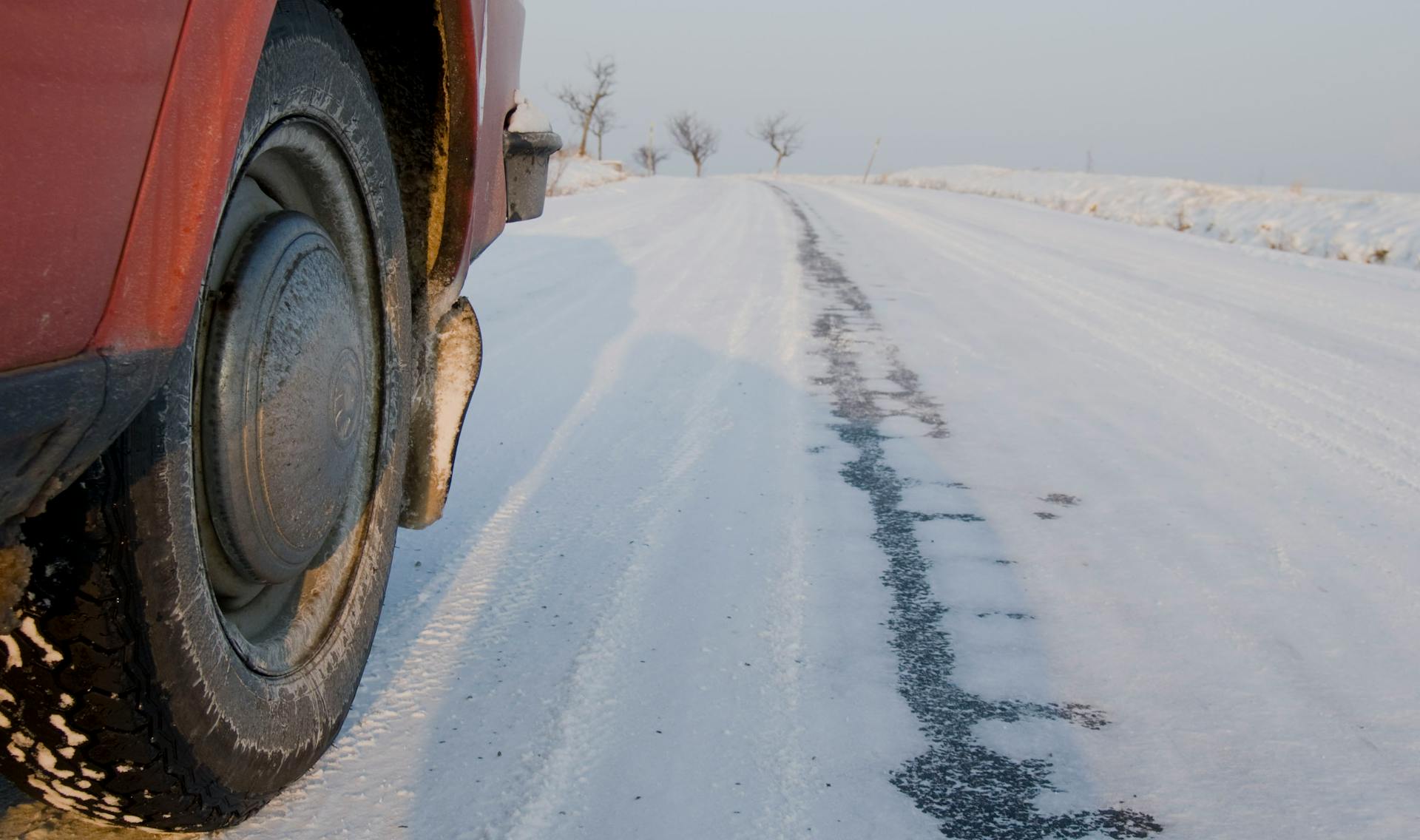
Antifreeze is one of the most acutely toxic substances a dog can encounter on a walk. It is widely used, often spilled carelessly, and unfortunately appears to taste sweet to dogs. The danger is highest in autumn and winter but exists year-round wherever cars are serviced or coolant is stored.
Why antifreeze is so dangerous for dogs
The active ingredient in most antifreeze is ethylene glycol. When a dog ingests it, the body metabolises it into compounds that attack the kidneys directly. The damage is rapid and, if untreated, can be fatal.
What makes antifreeze particularly dangerous is not the initial symptoms but what follows them. In the hours after ingestion a dog may seem uncoordinated, then appear to recover. This apparent recovery is the most dangerous part of antifreeze poisoning. While the dog seems to be improving, kidney failure is developing in the background. By the time the second wave of symptoms arrives, the window for effective treatment may already be closing.
There is nothing to weigh up here, no level of exposure to monitor at home. If you suspect a dog has ingested antifreeze, the time to act is before symptoms worsen, not after.
Where dogs encounter antifreeze
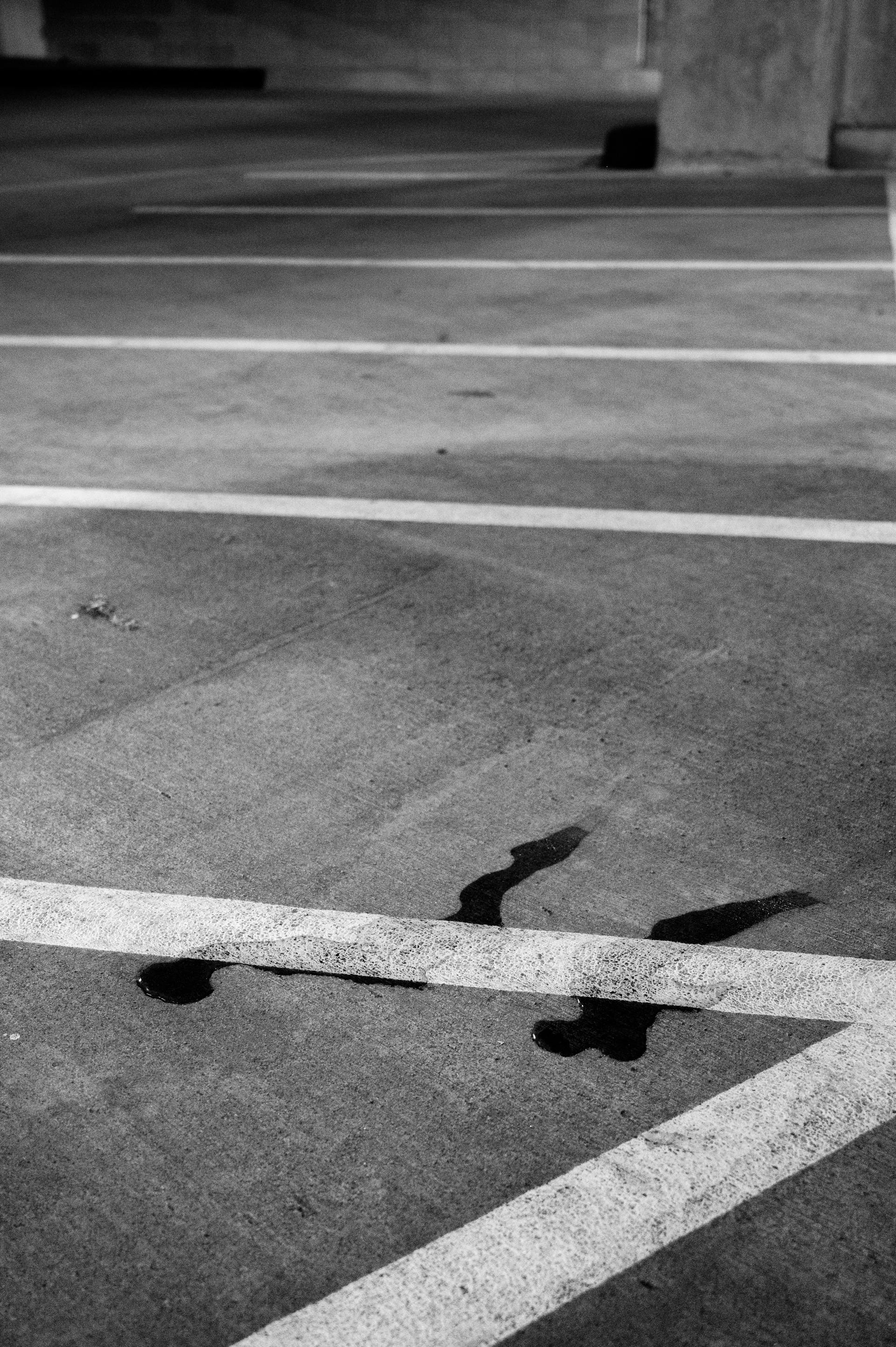
The most common source is drips and puddles under parked cars. On residential streets, driveways, and in car parks, antifreeze can pool on tarmac and remain there for hours. It has a slightly sweet smell and taste that dogs find attractive, which means a dog investigating the front of a parked car can lick a puddle before you have time to intervene.
Spills near garages and service areas are another risk, as is antifreeze that has been improperly disposed of. Risk is highest in the colder months, October through February, when antifreeze is being topped up in car cooling systems more frequently across the UK. But the risk is not purely seasonal. Any time a car is being serviced or a coolant reservoir is being handled nearby, the exposure risk exists.
Symptoms of antifreeze poisoning
Antifreeze poisoning tends to progress in two distinct stages.
In the first stage, which can begin within thirty minutes to a few hours of ingestion, a dog may appear drunk or uncoordinated, drink and urinate more than usual, vomit, or seem unusually lethargic. During this stage, symptoms may ease and the dog may seem to improve. This is not a sign that the situation has resolved.
The second stage, which typically develops between twelve and twenty-four hours after ingestion, is more severe. Extreme lethargy, repeated vomiting, difficulty breathing, and signs of kidney failure can all develop at this point.
The critical message here is straightforward: do not wait for Stage 2. If there is any reason to suspect a dog has ingested antifreeze, call the vet immediately, even if the dog appears well.
What to do if you suspect antifreeze poisoning
Call your vet. That is the only appropriate response.
This is a veterinary emergency. Time matters here more than with most poisoning cases. Treatment must begin within 12 hours of ingestion to be effective, and the earlier within that window the better the outcome. When you call, tell the vet directly that you suspect ethylene glycol poisoning. That specific information helps them act quickly.
Do not try to induce vomiting at home. Do not wait to see whether symptoms develop or resolve on their own. If your vet is unavailable, the Animal Poison Line (01202 509000) operates around the clock.
How to reduce the risk on walks
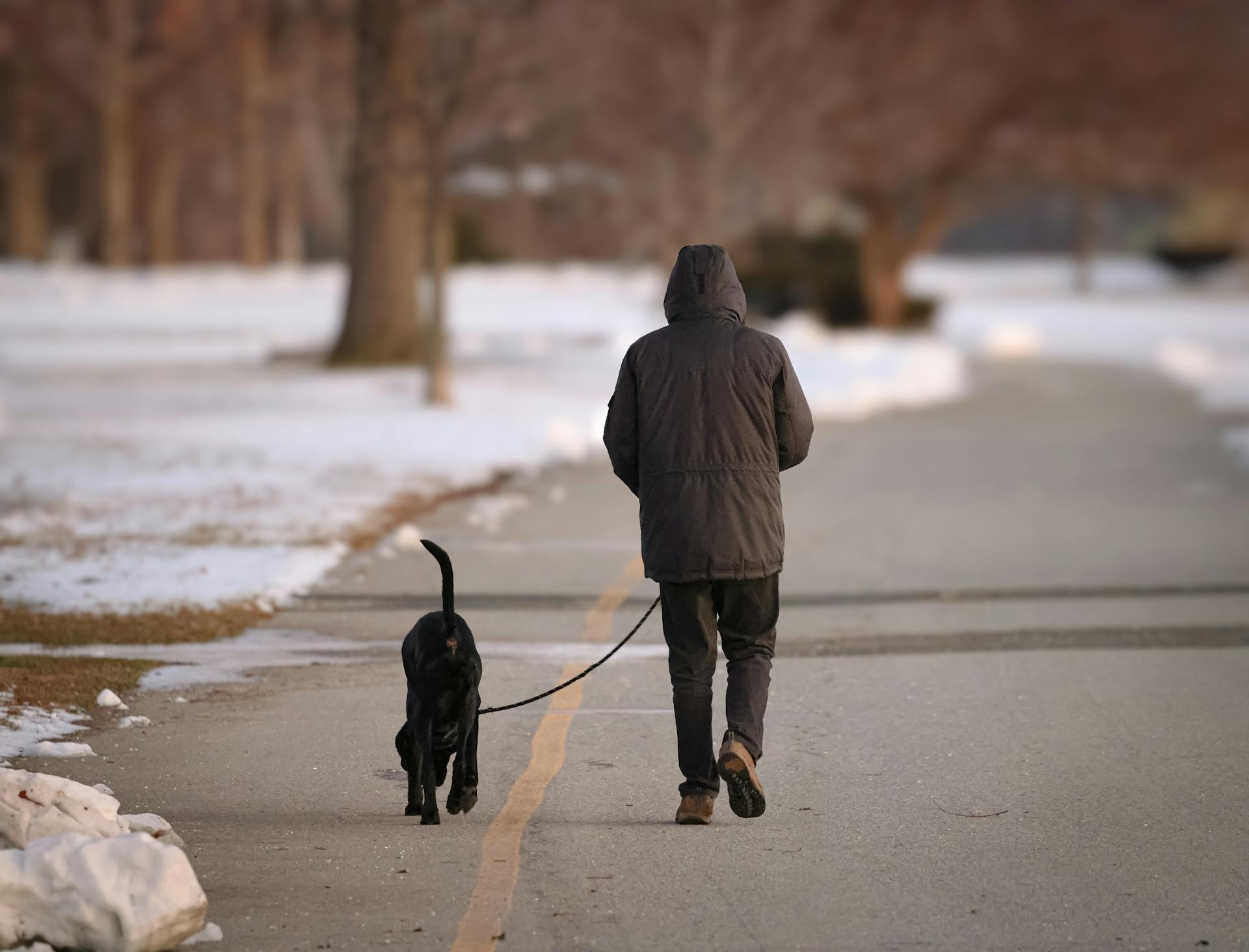
The main practical step is to avoid letting a dog sniff or lick puddles near parked cars, particularly in cold weather. Biscuit has a habit of diving under car bumpers on our way back through town in winter. Keeping a short lead through residential car parks and service areas is not worth arguing with.
Keep dogs on lead in car parks, driveways near garages, and petrol forecourt areas. Be especially aware in the weeks after cold spells, when antifreeze is more likely to have been recently added to vehicles. The risk is concentrated in dense residential streets with heavy overnight parking and anywhere near a workshop or commercial garage.
At home
Store antifreeze in sealed containers in an area a dog cannot access. Tackle any spills immediately using absorbent materials, and do not leave old or part-used containers on a garage floor.
Propylene-glycol-based antifreeze products are significantly less toxic to animals than the standard ethylene-glycol formulas. If you are buying antifreeze for your own car, checking the label before you buy is a worthwhile step. Dispose of old antifreeze at a household waste centre rather than pouring it down a drain or leaving it in containers where an animal could reach it.
Antifreeze poisoning is survivable if treatment begins quickly. The outcome depends less on the amount ingested than on how fast treatment starts. Knowing what to look for and acting immediately, rather than waiting to see if things improve, is what makes the difference.