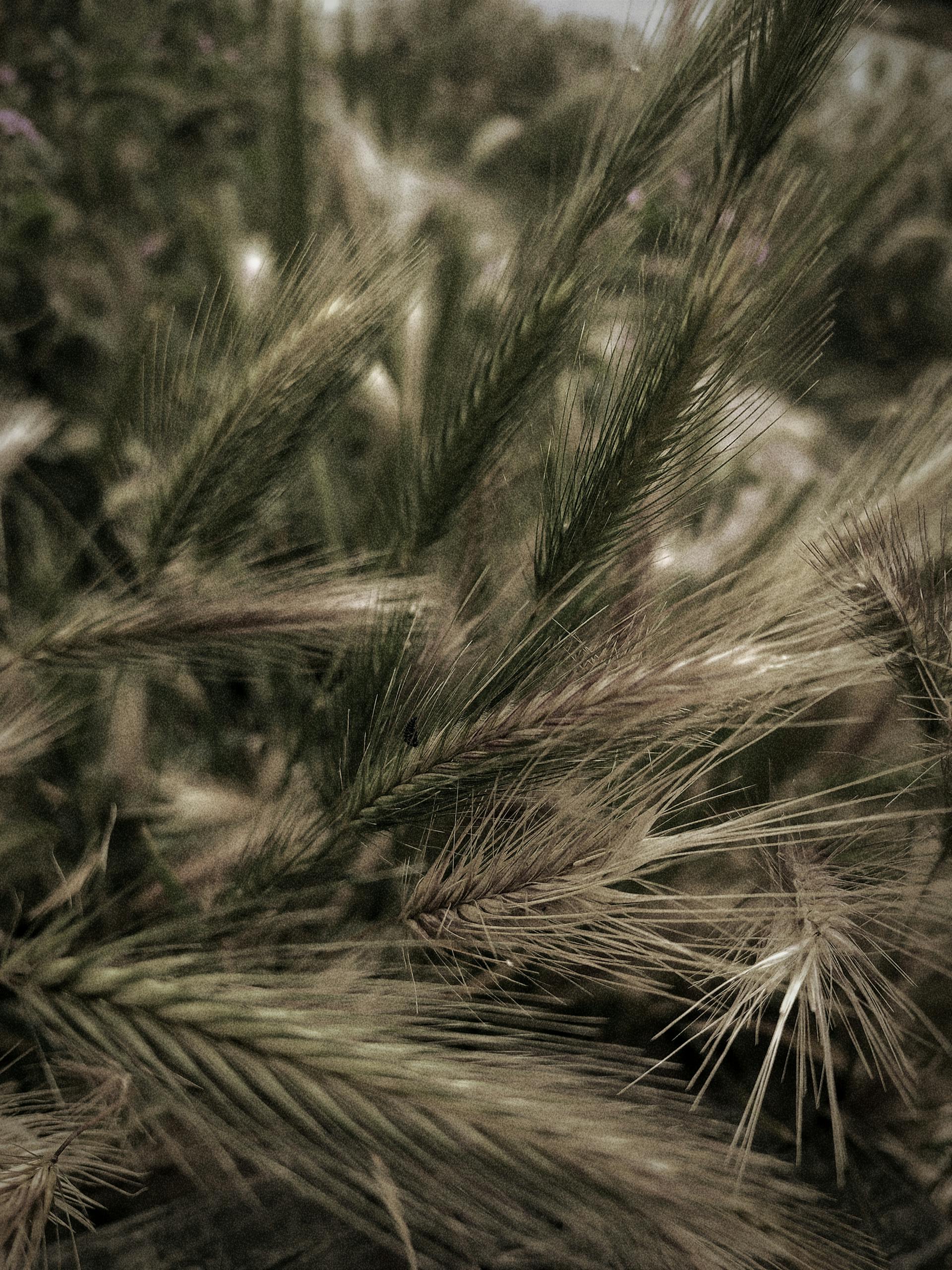
Most grass seeds pass through summer walks without incident, sticking briefly to fur before falling away. But some do not - and the ones that do not can cause the kind of vet visits that start with a limp and end with a general anaesthetic. They are easy to miss, they are at their most dangerous between May and September, and a quick post-walk check makes a real difference.
What makes grass seeds dangerous for dogs
The particular type of grass seed that causes problems has a sharp, pointed awn, the kind Blue Cross describes as looking like a miniature barley ear. That structure is the problem. Once a seed catches in a dog’s coat and works its way towards the skin through movement, the same barbs that drove it in prevent it from coming back out. Every step the dog takes pushes it further.
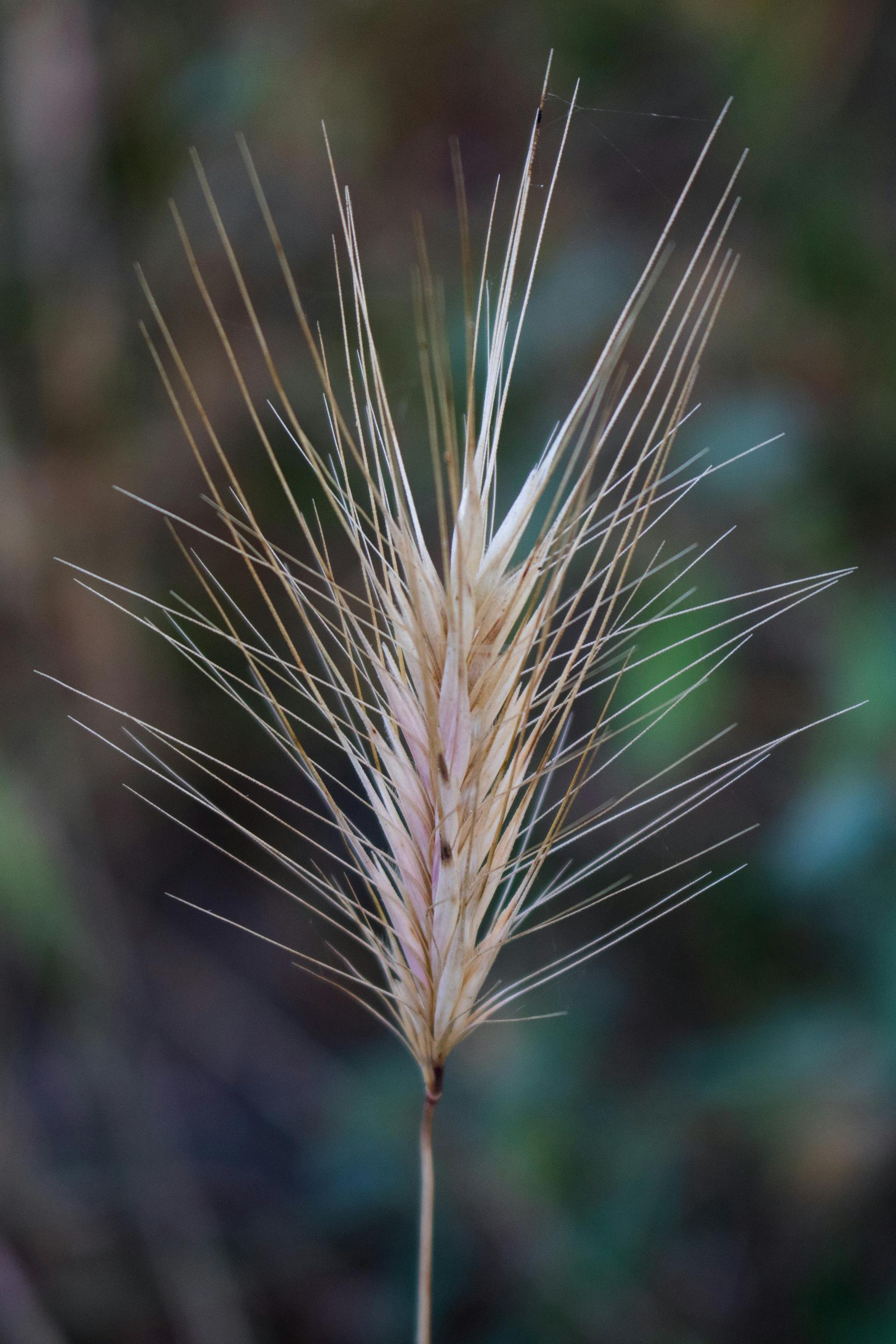
Once under the skin, the barbed structure means the seed can only travel forward through tissue. It cannot work its way back out on its own. Over days or weeks, an untreated seed can migrate from a toe to an abscess, from a nose deeper into the nasal passage, from an armpit towards the chest. In the most serious cases, where seeds have reached the chest cavity, the outcome can be life-threatening without specialist treatment.
The practical point is this: a seed found in the coat before it reaches the skin is a five-second job. A seed that has been embedded for three days is a vet job, likely involving sedation and ultrasound. Time genuinely matters.
When is grass seed season in the UK?
The risk rises from May onwards and runs through to September. July is the single most dangerous month. Research published through SAVSNET at the University of Liverpool (Brant et al., Preventive Veterinary Medicine, 2021), covering more than 940 grass seed cases from 245 UK practices, found that over 90% of cases occurred between June and September. The reason July is worst: seeds dry out as summer progresses, and dry, hardened awns penetrate skin and tissue far more readily than fresh ones.
Incidence is highest in the East of England and lower in Wales, though cases are recorded across every UK region throughout the season.
Which dogs are most at risk?
Any dog that moves through long grass during summer can pick up grass seeds. But the same SAVSNET research found that Spaniels are 7.7 times more likely to present with a grass seed foreign body than retrievers, almost certainly because of their feathered ears and feet, and their habit of working at ground level with their heads in the vegetation. Biscuit and Mango both get a thorough check after any summer walk involving anything longer than mown grass.
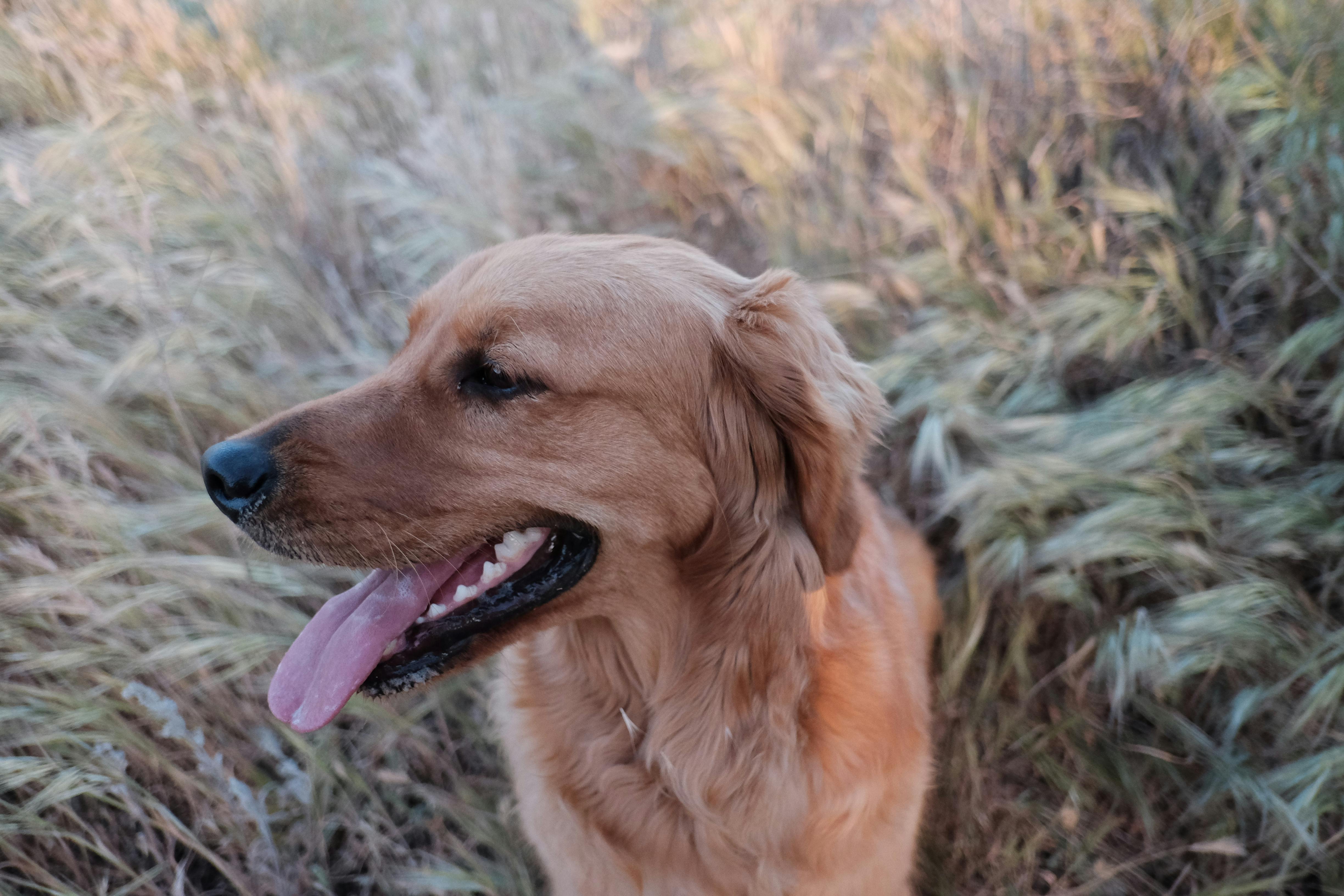
Long-haired dogs generally are at higher risk: seeds lodge in the coat and are harder to spot before they reach the skin. Working dogs and dogs that run with their mouths open also have elevated exposure.
Where to check your dog after every walk
After any walk in long grass between May and September, work through this in order:
Between every toe and under each paw pad. This is the most common entry site by some distance. Part the fur between each toe carefully and feel for anything sharp or embedded.
Inside and around both ears. Check just inside the ear flap and feel for seeds at the entrance to the canal. Do not probe into the ear - if you can see or feel something inside, that is a vet job.
Both eyes. A quick look is enough - squinting or any discharge means act now.
Nose and muzzle. Run a finger along the muzzle and check visually around the nostrils.
Mouth. Open the mouth briefly and check the gums, tongue, and roof of the mouth for anything lodged.
Both armpits. Lift each front leg and check the skin where it meets the chest.
Groin and inner thighs. Frequently missed. Part the fur and check.
Under the collar. Remove it and run a finger around the neck.
Full coat from nose to tail. Run both hands through the coat, parting as you go, and feel for anything that should not be there.
Done properly, the check takes five minutes. Less once it is a habit.
Signs a grass seed has already embedded
If the post-walk check missed a seed, the dog will usually indicate within hours or days that something is wrong.
Paws: Persistent licking or chewing at one paw, swelling between the toes that feels hard and hot, limping. A lump between the toes is often an abscess forming around an embedded seed.
Ears: Sudden, violent, repeated head shaking, especially combined with pawing at one ear or holding the head tilted to one side. Seeds can travel down the ear canal and rest against the eardrum.
Eyes: Sudden squinting in one eye, discharge, pawing at the eye. Treat this as urgent.
Nose: Violent, repeated sneezing, often with bloody or persistent discharge from one nostril. This is a reliable sign of a seed in the nasal passage.
General: Sudden unexplained lameness, a hot swollen patch of skin anywhere on the body, or a lump that appears quickly and begins to discharge. Any of these warrants a vet call.
When to call the vet, and when to go immediately
Go immediately to a vet if:
- The dog is shaking its head violently or pawing at an ear
- There is sudden squinting or discharge from an eye
- Violent repeated sneezing has started, particularly with nasal discharge
- There is visible swelling, heat, or discharge at any site on the body
- The dog is in obvious pain or distress
Never attempt to remove seeds from ears, eyes, or nose yourself. These locations need sedation and specialist removal. Attempting extraction risks driving the seed deeper or breaking it, which makes things significantly worse.
Seeds in the coat or just above the skin surface: If the awn is visible, the skin is unbroken, and the dog is calm, careful removal with tweezers is reasonable. The Kennel Club’s guidance is clear: do not try to remove a seed that is embedded in the skin. Breaking the awn drives fragments further in.
If there is any swelling, discharge, or discomfort, the seed has already penetrated. That is a vet visit.
How to reduce the risk on summer walks
Sticking to mown paths and maintained footpaths during peak season is the most effective single precaution. Long, drying grass in meadows, field margins, and heathland is where the risk is highest. If the grass at path edges is long and seeding, redirect if you have the option.
Check within an hour of getting home. Seeds can work through fur and reach skin during or shortly after a walk - the sooner you check, the more likely you are to find them before they embed.
A summer trim is worth considering for long-haired dogs and those with feathered ears and feet. Trimming the fur between the toes and around the paw pads removes one of the main trapping points. For Spaniel owners in particular, keeping ear fur shorter through June, July, and August is a straightforward way to reduce one of the highest-risk entry sites.
Dog boots work well as a barrier for the paws if your dog will tolerate them. Introduce them before the season starts, on short walks, so it is not a new thing when it counts.
Summer becomes routine
The check takes five minutes and it becomes second nature quickly. Biscuit and Mango get the full going-over after any walk that takes them through long grass - ears, toes, armpits, coat, the whole routine. Most of the time there is nothing to find. Occasionally there is, and that is exactly the point. Catching a seed while it is still sitting in the coat is a completely different situation from finding out about it when the toe swells up two days later. The check is what makes the difference.