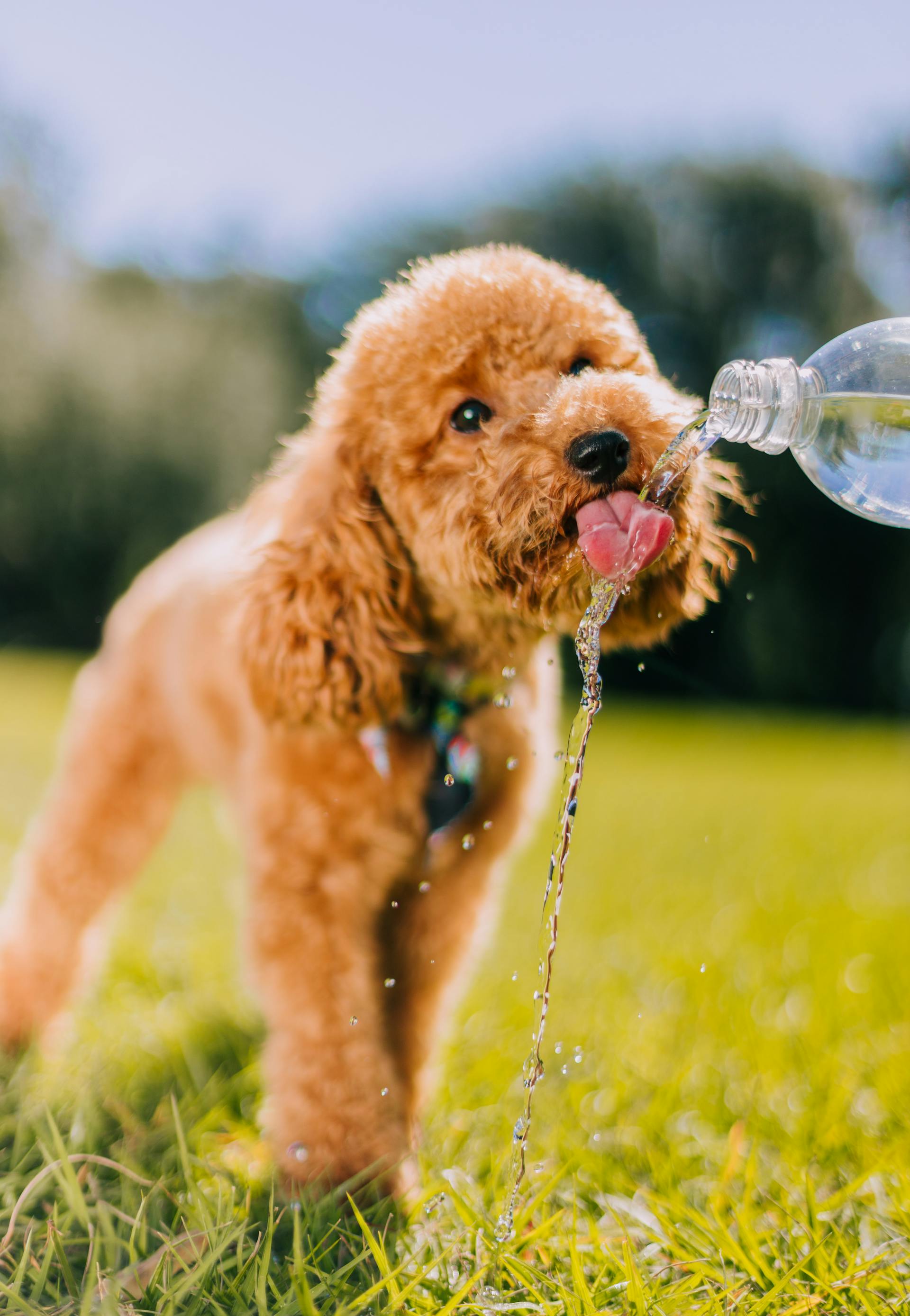
It starts with a change of pace. A dog that was trotting along happily slows, finds a patch of shade, and begins to pant heavily. On a warm afternoon in July, those are signals worth taking seriously rather than walking through. Most heatstroke cases in UK dogs happen not on record-breaking days but on ordinary warm summer walks, when owners did not realise how fast things had built up. With a few adjustments to when and how you walk, almost all of them are preventable.
Why dogs struggle in the heat
Dogs cool down primarily through panting. It works, but it is far less efficient than sweating, and in high temperatures or high humidity it can simply not keep pace with the heat being generated. A dog working hard, panting heavily, and still heating up is in trouble faster than most owners expect.
Brachycephalic breeds carry an additional risk. Bulldogs, Pugs, and French Bulldogs have anatomy that restricts airflow through the nose and throat. They cannot pant as effectively as a longer-muzzled dog, which means they are working harder to achieve less cooling. The risk for these breeds begins at temperatures that would be entirely comfortable for most other dogs.
Overweight dogs, thick-coated breeds, older dogs, and puppies are all more vulnerable than the average adult dog in good condition.
When is it too hot to walk a dog in the UK?
Blue Cross and Vets Now both note that temperatures above 20 degrees Celsius warrant extra caution for most dogs, particularly in direct sun. As temperatures climb further the risk increases, and more so for brachycephalic or overweight dogs. Direct midday sun raises the felt temperature considerably beyond what a thermometer shows.
A practical test for pavements: hold the back of your hand flat on the tarmac for five seconds. If you cannot hold it there, it is too hot for [dog name]’s paws. Tarmac absorbs and holds heat well above air temperature on sunny days, and paw pad burns are painful and slow to heal.
Timing makes a real difference. Early morning walks before 8am and evening walks after 7pm mean cooler air, cooler ground, and less direct sun. In a Northumberland summer those windows are generous. In the South East during a July heat event they can be quite narrow, but they are worth keeping to.
Signs of heatstroke in dogs
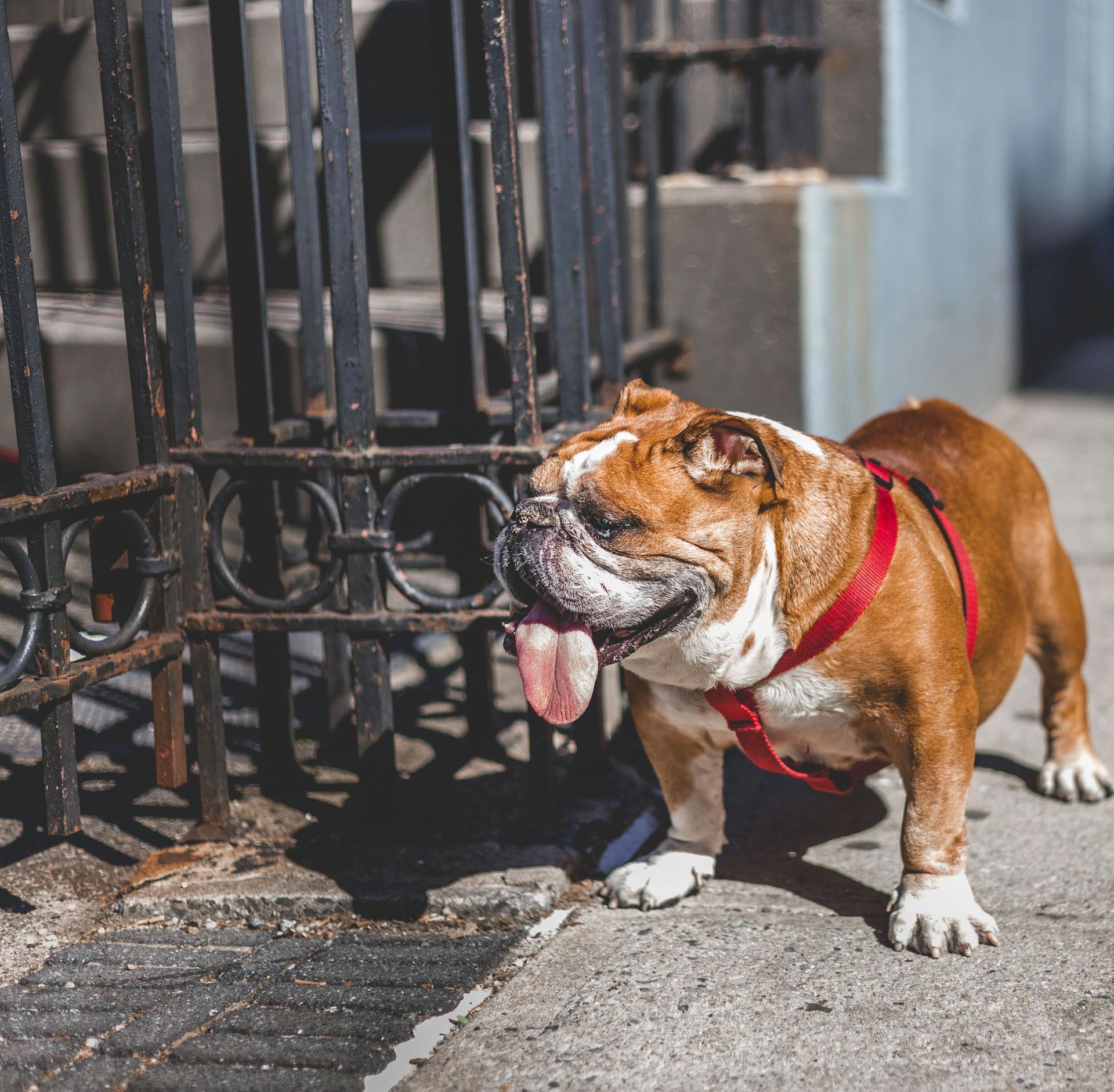
The earlier you catch overheating, the simpler the outcome. Early signs are easy to miss if you are not looking for them.
Early signs: Excessive panting that is not easing off. Heavy drooling. [Dog name] appearing slower and less alert than usual, seeking shade, or becoming reluctant to keep walking. These are clear signals.
Serious signs: Very heavy panting that the dog cannot seem to control. Gums that have turned bright red or gone very pale. Vomiting. Staggering, wobbling, or collapsing. In the most serious cases, seizures.
The critical point is how quickly things can change. Early signs warrant stopping and cooling immediately, not finishing the walk and seeing how [dog name] gets on at home. Serious signs mean emergency vet treatment, without delay.
What to do if your dog shows signs of heatstroke
If [dog name] is showing early signs of overheating, act in this order:
- Move to shade immediately.
- Offer small amounts of cool water to drink.
- Pour cold water over [dog name], concentrating on the neck, armpits, and groin. Do not cover [dog name] with wet towels.
- If you have an ice pack or frozen items, wrap them in a towel and hold briefly against the groin, neck, or armpits.
- Fan [dog name] to help evaporation do its work.
- Call your vet. Do not wait to see if [dog name] improves before calling.
One thing worth underlining: a dog left in a parked car on a warm day can reach dangerous temperatures in a matter of minutes, even with windows cracked. This is not an edge case.
Choosing the right walks in hot weather
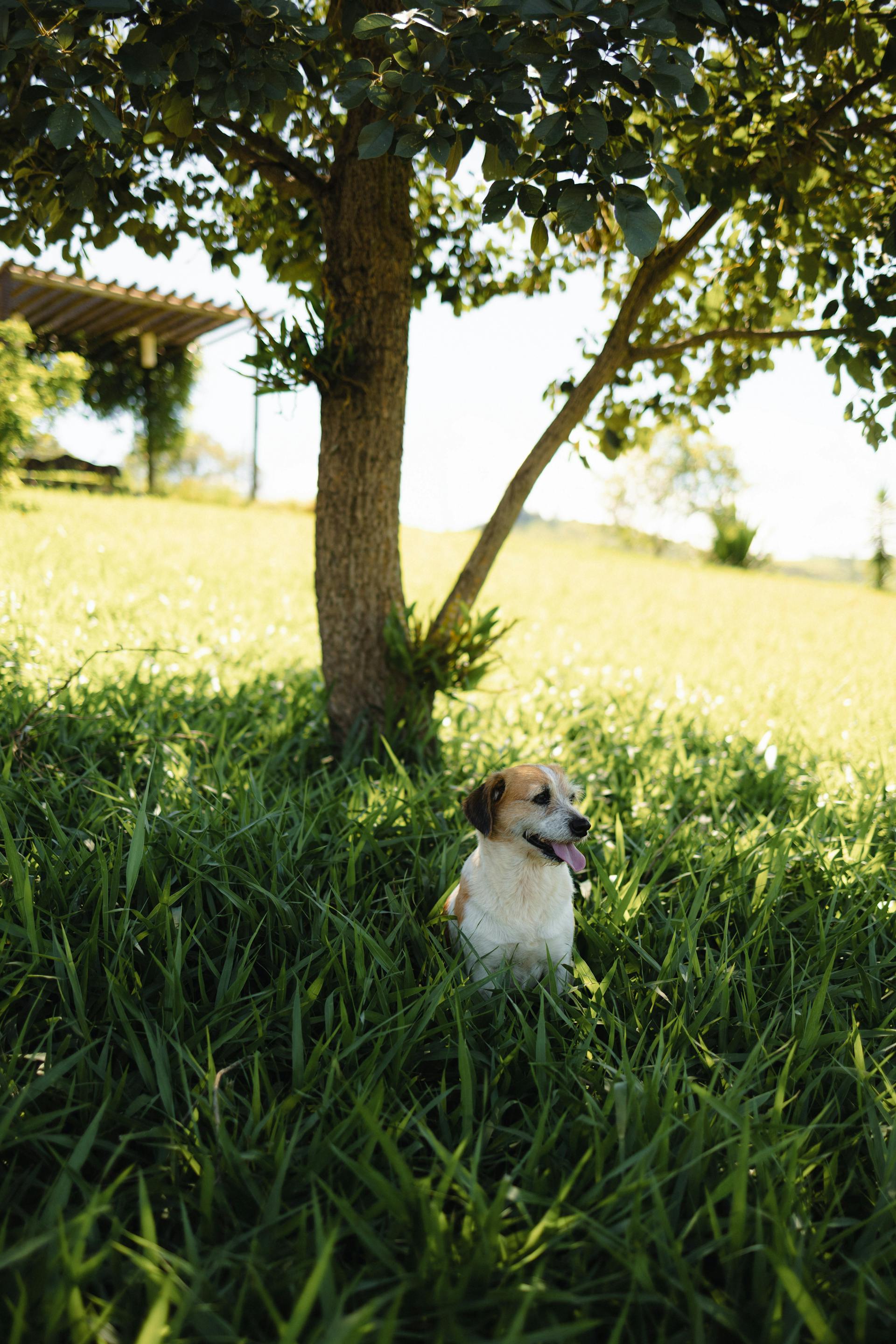
On warm days, shorter distances and shaded routes are the right call. Woodland paths with decent canopy cover, riverside walks where shade is available and [dog name] can get into the water, and park routes with tree cover all suit the conditions well. Open moorland, exposed coastal paths, and routes with long stretches in direct sun are better saved for cooler days or cooler parts of the day.
Carry water and a collapsible bowl on every summer walk. Know where the water sources are on your route before you leave. Sniffout shows nearby parks and riverside walks, so you can check shade and water access before you set off.
Dogs most at risk
Brachycephalic breeds (Bulldogs, French Bulldogs, Pugs, Shih Tzus, Boxers) face the highest risk. Restricted airways mean panting is less effective, and they can go from comfortable to serious more quickly than most owners anticipate. Timing walks and keeping to shade matters more for these breeds, not less.
Overweight dogs generate more heat moving the same distance. Older dogs regulate temperature less efficiently as age reduces their ability to respond. Thick-coated breeds (Huskies, Malamutes, Chow Chows) carry insulation that works against them in warm weather. Puppies have thermoregulation that is still developing and are more vulnerable than healthy adult dogs.
For all of these groups, early morning and evening walks are not just a sensible preference. In summer they are genuinely important.
When to call the vet
If [dog name] has shown any serious signs of heatstroke, call your vet immediately. This applies even if [dog name] has cooled down and seems to have recovered. Heatstroke can damage internal organs in ways that are not visible in how the dog is behaving. A dog that has collapsed or vomited in the heat needs a vet assessment, not a wait and see.
Hot weather does not mean staying in
Biscuit and Mango go out every day of the year, including July. The difference in summer is when and where. Early morning on a shaded woodland path is a completely different proposition to a midday walk across open farmland. Get the timing right, carry water, know the signs, and warm weather walks are some of the best of the year. Quieter than midday, softer light, and a dog that is comfortable and moving well rather than struggling. That is what the early alarm is for.